

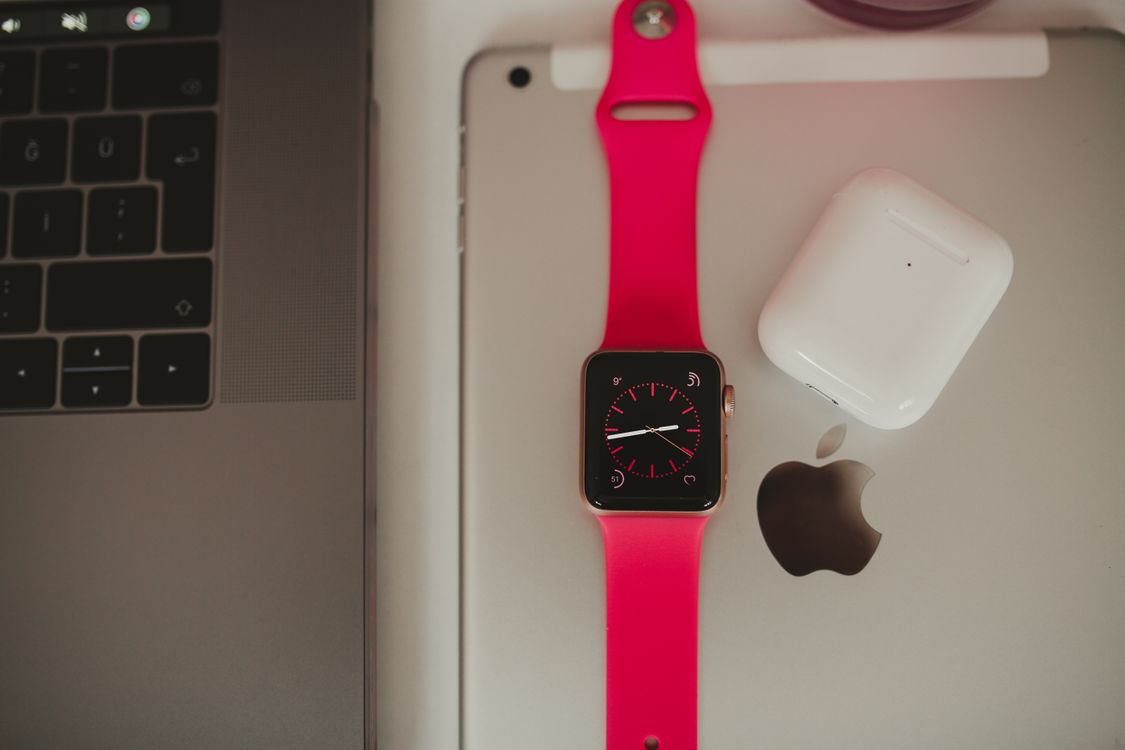
The most important technology in your life is probably not the impressive kind. It is the small device on your wrist counting your steps, the earbuds that cancel the noise of your commute, the plug that turns your lights off from bed. Everyday tech gadgets rarely make headlines, yet piece by piece they are changing how we sleep, work, exercise, and relax. This article looks at the gadgets that have genuinely earned their place in daily life, the ones still searching for a purpose, and how to tell the difference before you spend your money.
Wearables Grew Up
Smartwatches and fitness bands began as novelty step counters. Today they track sleep quality, heart rate trends, stress indicators, and even possible illness, and millions of people plan their training and rest around what their wrist tells them. The real change is behavioural: when a device makes your recovery visible, you start taking bedtime seriously in a way no magazine article ever achieved.
The category is still improving fast. Battery life that once meant nightly charging now stretches toward a week in many models, and sensors are becoming accurate enough that doctors increasingly accept the data as a useful early warning. For most people, a mid-range wearable delivers nearly all of the benefit. The premium models mostly add polish.
The Connected Home Gets Practical
Smart home technology went through a silly phase of internet-connected everything. What survived is the useful core: lights that follow your schedule, thermostats that learn your routine, video doorbells that end the mystery of the missed parcel, and plugs that make any old appliance a little smarter. These everyday tech gadgets succeed because they remove small, repeated annoyances instead of demanding attention.
The golden rule is to solve one problem per room. Start with the light you always forget, or the hallway you cross in the dark. Voice control helps, but schedules and sensors help more, because the best smart home is the one you never have to think about. And buy from ecosystems you can expand later, so today’s single bulb does not become tomorrow’s dead end.
Audio and Focus Tools for Modern Work
Noise-cancelling headphones have quietly become essential work equipment. Open-plan offices, busy households, and long commutes all became more tolerable the moment good cancellation became affordable. Paired with a decent webcam, a proper microphone, and a laptop stand that saves your neck, they form the unglamorous kit that makes remote and hybrid work actually work.
E-readers deserve a mention here too. In a world of infinite distraction, a single-purpose device that only holds books is a feature, not a limitation. Many readers report finishing more books in a month with an e-reader than in a year of good intentions with their phone.
Privacy: The Setting Everyone Skips
Every connected gadget collects something, and the convenience is real, but so is the data. The good news is that most platforms now offer meaningful controls, if you take five minutes to use them. Review which apps can see your location, microphone, and photos, and tighten anything you do not recognise. Our guide to account privacy essential checks walks through the simple steps in plain language.
It is equally worth reviewing the settings inside the platforms you already use, from profile settings checks that take minutes to the permission lists buried in your phone. Think of it as a seasonal chore, like clearing a gutter: unexciting, quick, and much better done before there is a problem.
How to Buy Without Regret
The gadget industry survives on upgrades you do not need. A simple defence is the thirty-day rule: if you still want it after a month of normal life, it is probably a genuine desire rather than a marketing echo. Read reviews from people who have owned the device for six months, not six hours, and pay attention to boring details like charging cables, app quality, and whether the company still supports its older models.
Also consider the total cost of ownership. Subscriptions, replacement tips and bands, proprietary chargers: the shelf price is only the beginning. The best everyday tech gadgets are the ones still making your life easier two years later, long after the launch excitement has been forgotten.
Health technology at home deserves a special word. Smart scales, blood pressure monitors, sleep trackers, and even simple medication reminder apps are moving routine health awareness out of the clinic and into the bathroom cabinet. Used wisely, they help people spot trends early and walk into appointments with real data instead of vague impressions. Used obsessively, they can turn normal daily variation into anxiety, so the sensible approach is weekly trends, not hourly readings.
There is also a quiet sustainability question hanging over the whole industry. Gadgets are replaced quickly, chargers and batteries pile up, and last year’s model becomes electronic waste at a remarkable speed. Choosing durable, repairable devices, keeping them a year longer, and recycling the ones you retire are small decisions that collectively matter. The most advanced gadget habit of all might simply be buying less often, and buying better.
Looking ahead, the direction is clear: devices are getting less visible and more anticipatory. The phone already suggests replies, routes, and reminders before you ask. The gadgets of the next few years will compete not on screens and specifications, but on how gracefully they disappear into ordinary life while quietly making it run better.
A final word on children and shared devices: the gadgets in a family home shape everyone’s habits, not just the buyer’s. Charging stations outside bedrooms, shared screen-time agreements, and devices that encourage movement and reading over passive scrolling are choices whose benefits compound quietly for years.
Conclusion
Everyday tech gadgets will not transform your life in a single purchase, and they are not supposed to. They work by accumulation: better sleep here, a quieter commute there, a home that quietly handles its own routines. Buy slowly, choose tools that solve real problems, keep your privacy settings in order, and ignore everything else. That is how technology stays what it should be: a servant of your daily life, not its landlord.

