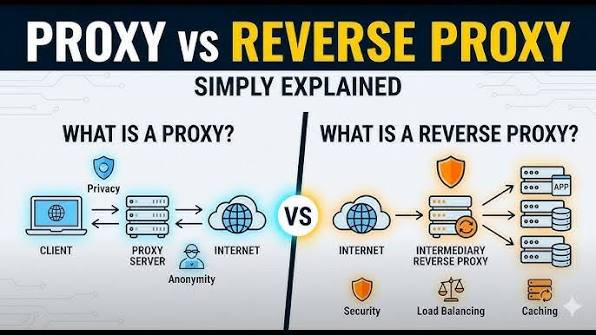

“CDN” has become a loosely applied label in hosting marketing, sometimes describing genuine distributed edge infrastructure and sometimes describing something closer to a single reverse proxy server sitting in front of the origin. The two solve different problems and offer very different performance characteristics, even though marketing language often blurs the distinction.
What Defines a Genuine CDN
A true content delivery network operates a distributed network of edge servers, physically located across many regions, that cache and serve content from whichever location is geographically closest to a given visitor. This genuinely reduces latency for a globally dispersed audience, since a visitor in one region is served from a nearby edge node rather than a single distant origin server.
What a Simple Reverse Proxy Actually Does
A basic reverse proxy sits between visitors and the origin server, potentially caching some content and hiding the origin IP address, but typically runs from a single location or a very small number of locations rather than a genuinely distributed edge network. It can still offer some caching benefit and IP-masking value, but it doesn’t deliver the geographically distributed latency reduction that defines a true CDN, and visitors far from that single proxy location see little to no speed improvement.
How to Tell Which One You’re Actually Getting
Testing page load times from multiple geographic locations using a free tool that simulates requests from different regions reveals whether performance is actually consistent worldwide, which indicates genuine edge distribution, or whether it varies significantly by region, which suggests a single-location proxy rather than a true CDN. This test takes only a few minutes and provides a much clearer answer than relying on marketing terminology alone.
Checking the Number of Actual Edge Locations
Legitimate CDN providers are generally transparent about how many edge locations they operate and where they’re situated, since this is a genuine differentiator worth advertising when it’s real. Vague claims of “global CDN coverage” without any specific count or location list are worth verifying independently before assuming the coverage matches what larger, well-established CDN providers offer.
Why This Distinction Matters for a Network Specifically
For a network with sites targeting audiences in different regions, a genuine CDN can provide meaningful performance benefits where it matters. A relabeled reverse proxy offers considerably less value for that specific use case while still potentially introducing the same shared-infrastructure considerations that come with routing traffic through any third-party layer, without delivering the performance benefit that would justify the trade-off.
Verifying Marketing Claims Against Actual Testing
Before assuming a hosting package’s “CDN” feature delivers genuine distributed edge performance, running the location-based speed tests described above provides direct evidence rather than relying on the label alone. For a detailed look at how one specific provider’s CDN claims held up under this kind of testing, our LaunchCDN Review walks through exactly this evaluation in more detail.
The word “CDN” alone doesn’t guarantee genuine distributed infrastructure behind it. A few minutes of direct testing settles the question far more reliably than the marketing copy describing the feature.