
The FIFA World Cup is the most prestigious and widely watched football tournament in the world, organized by the sport’s global governing body, Fédération Internationale de Football Association. Held every four years, it brings together national teams from all continents to compete for the ultimate prize in football. Since its first edition in 1930, the tournament has grown into a global cultural event that unites billions of fans, transcending language, culture, and borders. From legendary goals to historic upsets, the World Cup has produced unforgettable moments that have shaped football history and inspired generations of players and supporters. It is not just a sporting competition—it is a celebration of unity, passion, and the universal love of the beautiful game.
1. History of the FIFA World Cup
The FIFA World Cup began in 1930 in Uruguay, where the host nation also became the first-ever champion. Only 13 teams participated in that inaugural tournament, but its success laid the foundation for future expansion. Over the decades, the competition evolved significantly, both in scale and popularity.
After World War II, the tournament resumed in 1950 in Brazil, marking a new era of international football growth. The number of participating teams gradually increased, reflecting the global expansion of the sport. Today, the tournament features 32 teams (and will expand to 48 teams starting from 2026), making it even more inclusive and competitive.
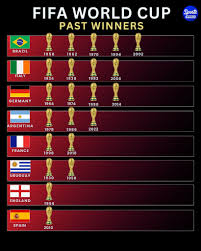
Each edition of the World Cup has added new chapters to football history—whether it is Brazil’s dominance in the early years, Germany’s tactical excellence, or Argentina’s emotional triumphs.
2. Format and Structure
The FIFA World Cup follows a structured format that ensures fair competition among the best national teams.
Qualification Stage
Before the main tournament, teams from six continental confederations compete in qualification rounds. These confederations include:
- Europe (UEFA)
- South America (CONMEBOL)
- Asia (AFC)
- Africa (CAF)
- North and Central America (CONCACAF)
- Oceania (OFC)
Only the strongest teams from these regions earn a place in the final tournament.
Group Stage
In the main event, teams are divided into groups. Each team plays against others in its group, earning points for wins and draws.
Knockout Stage
The top teams from each group advance to the knockout rounds, including:
- Round of 16
- Quarter-finals
- Semi-finals
- Final
The final match determines the world champion, making it one of the most-watched sporting events on the planet.
3. Legendary Teams and Players
Throughout history, many national teams have left a lasting impact on the FIFA World Cup.
Brazil national football team is the most successful team in World Cup history, with multiple titles and a legacy of legendary players like Pelé, Ronaldo, and Ronaldinho. Their attacking style and creativity have defined football artistry.
Other strong teams include Germany, Italy, France, and Argentina, each contributing iconic moments and unforgettable victories.
Among individual players, legends like Lionel Messi and Cristiano Ronaldo have elevated the tournament with extraordinary performances. Messi’s triumph in 2022 especially cemented his legacy as one of the greatest players of all time.
4. Memorable World Cup Moments
The World Cup is filled with historic and emotional moments that fans still talk about today:
- 1958: A young Pelé announced himself to the world by helping Brazil win their first title.
- 1986: Diego Maradona’s “Hand of God” and “Goal of the Century” stunned England.
- 1998: France won their first World Cup on home soil.
- 2014: Germany defeated Brazil 7–1 in one of the most shocking matches ever.
- 2022: Argentina lifted the trophy in Qatar after an intense final against France.
The 2022 edition, officially known as FIFA World Cup 2022, was particularly significant due to its winter scheduling and advanced stadium technology.
5. Global Impact of the FIFA World Cup
The FIFA World Cup is more than just a football tournament—it has a massive global impact:
Economic Impact
Host countries invest billions in infrastructure, stadiums, transportation, and tourism. The tournament generates significant revenue through broadcasting rights, sponsorships, and merchandise.
Cultural Impact
The World Cup promotes cultural exchange and unity. Fans from different countries come together, celebrating diversity and shared passion.
Technological Innovation
Each tournament introduces new technologies such as VAR (Video Assistant Referee), goal-line technology, and advanced analytics to improve fairness and accuracy.
6. The Road to FIFA World Cup 2026
The next edition of the tournament, FIFA World Cup 2026, will be historic. It will be hosted jointly by the United States, Canada, and Mexico. This will be the first World Cup to feature 48 teams instead of 32, making it the largest tournament in history.
The expanded format will allow more nations to participate, increasing global representation and excitement. Fans are expecting more matches, more drama, and more unforgettable football moments.
7. Records and Achievements
The FIFA World Cup has produced many records:
- Most titles: Brazil (5 wins)
- Most goals in a single tournament: Just Fontaine (13 goals in 1958)
- Youngest scorer: Pelé
- Most appearances: Lionel Messi (5 World Cups)
- Highest-scoring match: Hungary 10–1 El Salvador (1982)
These records highlight the extraordinary talent and competitive spirit that define the tournament.
8. Challenges and Controversies
Despite its success, the World Cup has faced criticism and challenges:
- High costs of hosting
- Environmental concerns
- Political controversies
- Scheduling issues
For example, the 2022 World Cup faced debates due to its location and winter timing. However, FIFA continues to adapt and improve the tournament structure.
FAQs
1. What is the FIFA World Cup?
The FIFA World Cup is an international football tournament held every four years, featuring national teams from around the world competing for the championship.
2. Which country has won the most World Cups?
Brazil holds the record for the most FIFA World Cup titles, with five championships.
3. How many teams participate in the World Cup?
Currently, 32 teams participate, but starting from 2026, the number will increase to 48 teams.
4. Who is the greatest player in World Cup history?
Many consider Pelé and Lionel Messi among the greatest players due to their outstanding performances and achievements in the tournament.
5. Where will the next World Cup be held?
The 2026 FIFA World Cup will be hosted by the United States, Canada, and Mexico.
6. Why is the FIFA World Cup so popular?
It is popular because it brings together the best national teams, creates emotional moments, and unites billions of fans worldwide.
Conclusion
The FIFA World Cup stands as the pinnacle of international football, representing excellence, competition, and global unity. From its humble beginnings in 1930 to its modern global spectacle, it has evolved into the most-watched sporting event on Earth. Every four years, it captures the hearts of billions, creating memories that last a lifetime.
With the upcoming expansion in 2026 and continuous advancements in technology and organization, the future of the FIFA World Cup looks even more exciting. It will continue to inspire young players, unite nations, and celebrate the true spirit of football for generations to come.